Maximize Natural Light with Smart Window Design Techniques
Maximize Daylight in Your Home with Smart Window Design
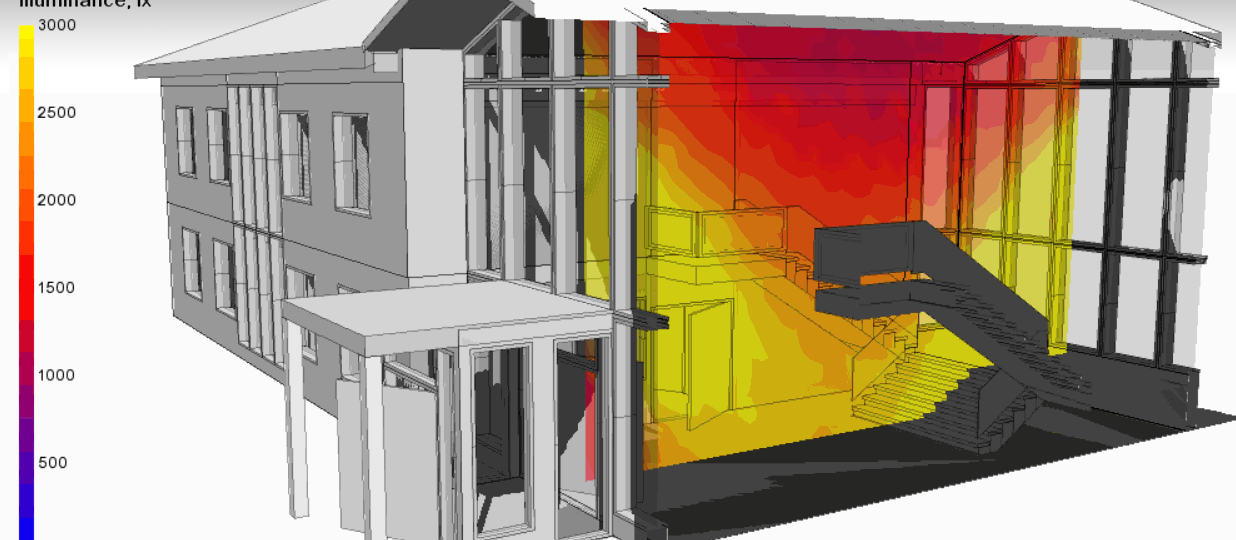
Have you ever walked into a room and felt instantly uplifted by the presence of natural light? Daylight optimization isn’t just about aesthetics; it touches on quality of life, especially for families and eco-conscious homeowners. By leveraging elements like floor-to-ceiling windows and skylights, you can enhance your space while utilizing passive solar design principles to improve energy efficiency.
The Benefits of Thoughtful Window Placement
Choosing the right windows and their placement is crucial. Here are some admirable benefits you can achieve through strategic architectural glazing:
- Natural Ventilation: Promotes air circulation, minimizing reliance on HVAC systems.
- Solar Heat Gain: Maximizes warmth on cold days, fostering thermal comfort.
- Light Diffusion: Enhances ambient lighting without bright glare.
- Indoor-Outdoor Connection: Fuses your living space with nature, ideal for family gatherings.
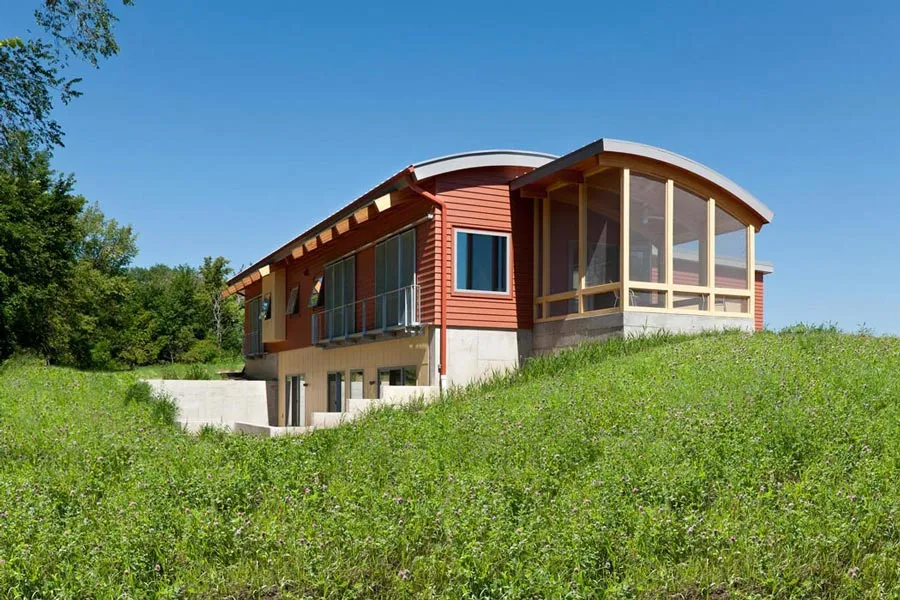
Installing high-performance glass or energy-efficient windows can prove transformative, especially in regions that experience extreme climates. During my own home renovation, I faced challenges with triple-glazed systems due to installation nuances, but they proved invaluable for insulating against the winter chill while keeping summer heat at bay.
Innovative Options for Modern Homes
For those inclined towards cutting-edge designs, consider dynamic windows or smart glass technology. These modern solutions not only adjust transparency based on sunlight but also come with UV protection glazing to safeguard your interiors. Imagine enjoying panoramic views with minimized upkeep!
Lastly, enhancing your facade with minimalistic window frames or glass curtain walls can create a stunning visual impact while ensuring building envelope efficiency. Embracing such innovative designs not only elevates your home’s appeal but aligns with sustainable architecture principles, making it a desirable space for future buyers or tenants.
Maximize Daylight in Your Home with Smart Window Design
Have you ever walked into a room and felt instantly uplifted by the presence of natural light? Daylight optimization isn’t just about aesthetics; it touches on quality of life, especially for families and eco-conscious homeowners. By leveraging elements like floor-to-ceiling windows and skylights, you can enhance your space while utilizing passive solar design principles to improve energy efficiency.
The Benefits of Thoughtful Window Placement
Choosing the right windows and their placement is crucial. Here are some admirable benefits you can achieve through strategic architectural glazing:
- Natural Ventilation: Promotes air circulation, minimizing reliance on HVAC systems.
- Solar Heat Gain: Maximizes warmth on cold days, fostering thermal comfort.
- Light Diffusion: Enhances ambient lighting without bright glare.
- Indoor-Outdoor Connection: Fuses your living space with nature, ideal for family gatherings.
Installing high-performance glass or energy-efficient windows can prove transformative, especially in regions that experience extreme climates. During my own home renovation, I faced challenges with triple-glazed systems due to installation nuances, but they proved invaluable for insulating against the winter chill while keeping summer heat at bay.
Innovative Options for Modern Homes
For those inclined towards cutting-edge designs, consider dynamic windows or smart glass technology. These modern solutions not only adjust transparency based on sunlight but also come with UV protection glazing to safeguard your interiors. Imagine enjoying panoramic views with minimized upkeep!
Lastly, enhancing your facade with minimalistic window frames or glass curtain walls can create a stunning visual impact while ensuring building envelope efficiency. Embracing such innovative designs not only elevates your home’s appeal but aligns with sustainable architecture principles, making it a desirable space for future buyers or tenants.
Embracing Biophilic Design Principles
Biophilic design emphasizes our inherent connection to nature, integrating it seamlessly into our daily environments. By using strategically placed clerestory windows, for instance, you can provide indirect natural light while maintaining privacy. This engages not only the occupants’ sense of sight but also their overall wellbeing, encouraging productivity and relaxation.
Consider also incorporating light wells, which can bring daylight deep into your home’s core. In urban areas where green spaces are scarce, such elements serve as a vital connection to nature. The purpose is multifold: increase natural light, improve air quality, and foster a sense of tranquility, which are essential elements in urban architecture.
In regions where sunlight is ample, shading solutions become indispensable. Using reflective coatings or pergolas can beautifully balance light entry and reduce glare, enhancing the comfort of indoor spaces. For further insights on integrating such design features, explore this resource that delves deeper into the benefits of optimized window systems.
While the aesthetics of glass walls and vast openings are visually appealing, their true power lies in their ability to redefine how light and space interact in our homes. Combining transparency with efficiency allows us to harness the energy of the sun while simultaneously crafting havens that echo the beauty of the outdoor world.
Maximize Daylight in Your Home with Smart Window Design
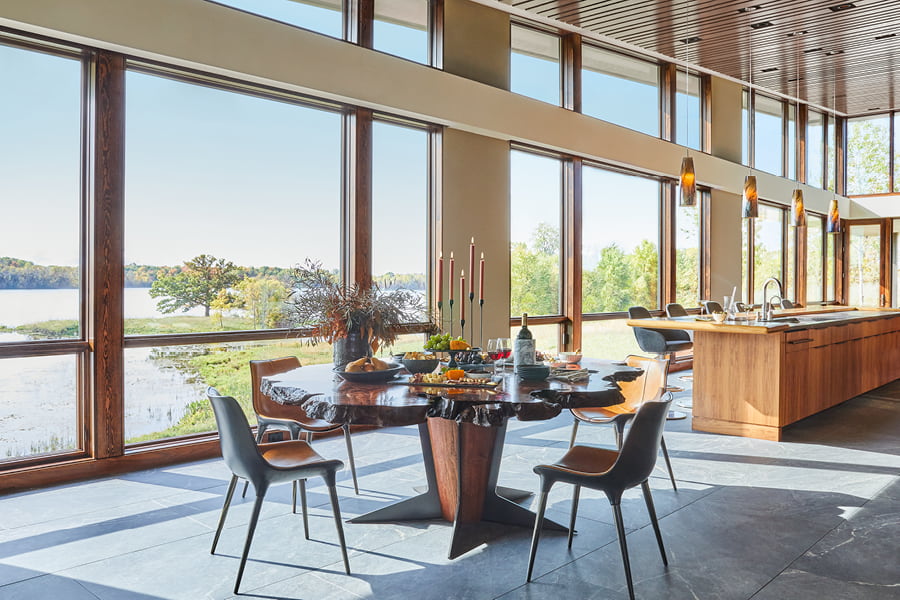
Have you ever walked into a room and felt instantly uplifted by the presence of natural light? Daylight optimization isn’t just about aesthetics; it touches on quality of life, especially for families and eco-conscious homeowners. By leveraging elements like floor-to-ceiling windows and skylights, you can enhance your space while utilizing passive solar design principles to improve energy efficiency.
The Benefits of Thoughtful Window Placement
Choosing the right windows and their placement is crucial. Here are some admirable benefits you can achieve through strategic architectural glazing:
- Natural Ventilation: Promotes air circulation, minimizing reliance on HVAC systems.
- Solar Heat Gain: Maximizes warmth on cold days, fostering thermal comfort.
- Light Diffusion: Enhances ambient lighting without bright glare.
- Indoor-Outdoor Connection: Fuses your living space with nature, ideal for family gatherings.
Installing high-performance glass or energy-efficient windows can prove transformative, especially in regions that experience extreme climates. During my own home renovation, I faced challenges with triple-glazed systems due to installation nuances, but they proved invaluable for insulating against the winter chill while keeping summer heat at bay.
Innovative Options for Modern Homes
For those inclined towards cutting-edge designs, consider dynamic windows or smart glass technology. These modern solutions not only adjust transparency based on sunlight but also come with UV protection glazing to safeguard your interiors. Imagine enjoying panoramic views with minimized upkeep!
Lastly, enhancing your facade with minimalistic window frames or glass curtain walls can create a stunning visual impact while ensuring building envelope efficiency. Embracing such innovative designs not only elevates your home’s appeal but aligns with sustainable architecture principles, making it a desirable space for future buyers or tenants.
Embracing Biophilic Design Principles
Biophilic design emphasizes our inherent connection to nature, integrating it seamlessly into our daily environments. By using strategically placed clerestory windows, for instance, you can provide indirect natural light while maintaining privacy. This engages not only the occupants’ sense of sight but also their overall wellbeing, encouraging productivity and relaxation.
Consider also incorporating light wells, which can bring daylight deep into your home’s core. In urban areas where green spaces are scarce, such elements serve as a vital connection to nature. The purpose is multifold: increase natural light, improve air quality, and foster a sense of tranquility, which are essential elements in urban architecture.
In regions where sunlight is ample, shading solutions become indispensable. Using reflective coatings or pergolas can beautifully balance light entry and reduce glare, enhancing the comfort of indoor spaces. For further insights on integrating such design features, explore this resource that delves deeper into the benefits of optimized window systems.
While the aesthetics of glass walls and vast openings are visually appealing, their true power lies in their ability to redefine how light and space interact in our homes. Combining transparency with efficiency allows us to harness the energy of the sun while simultaneously crafting havens that echo the beauty of the outdoor world.